Kids Math: Math Games for Kids
RV AppStudios
Downloads
5,000,000+
Version
Latest
Click to download now, finish the installation quickly, and directly unlock the all-round experience
Screenshots
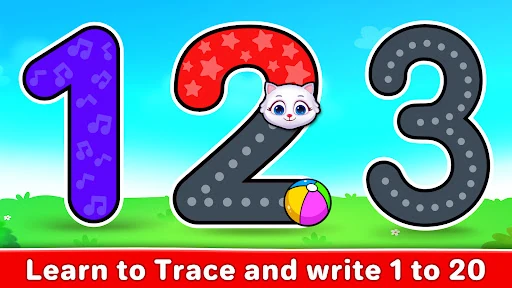
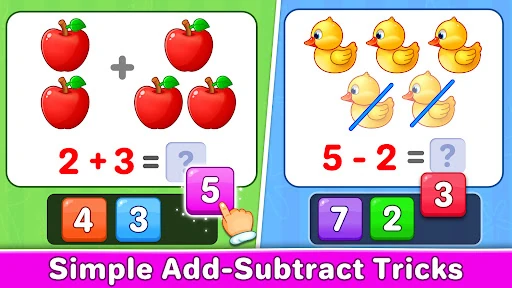
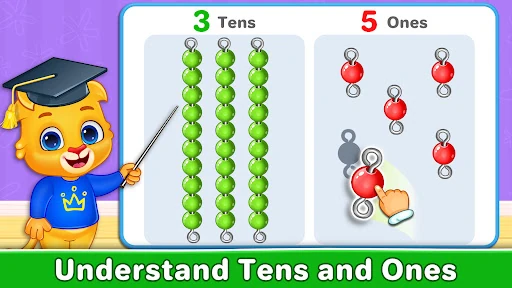
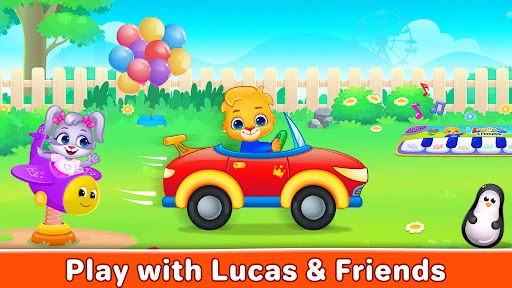
Click to download now, finish the installation quickly, and directly unlock the all-round experience
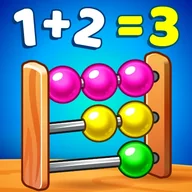
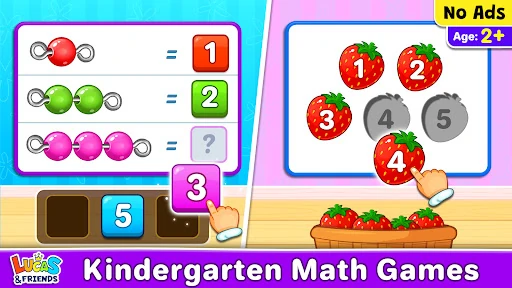
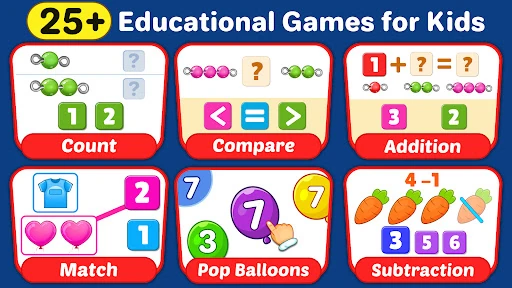
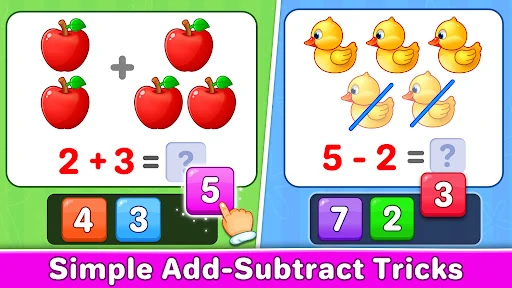
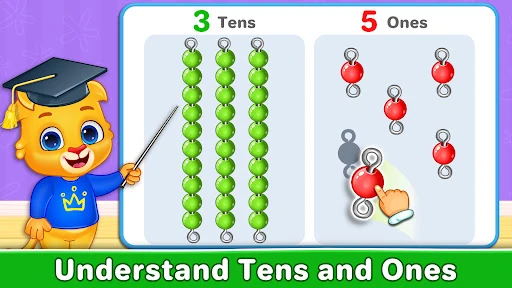
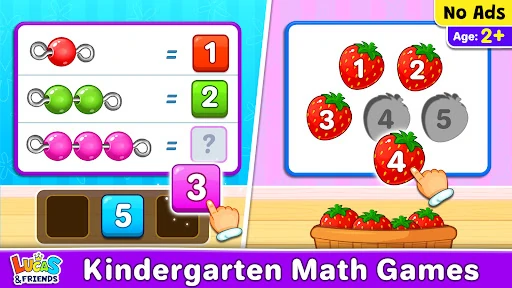
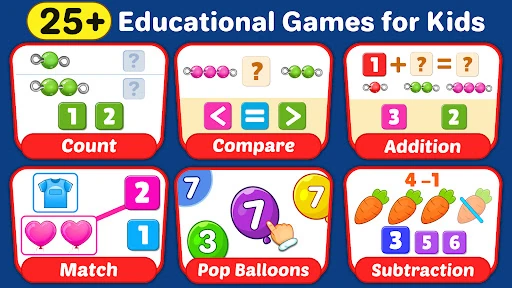
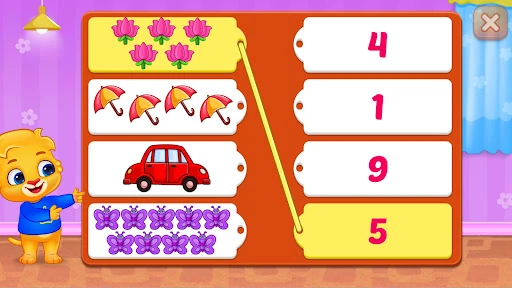
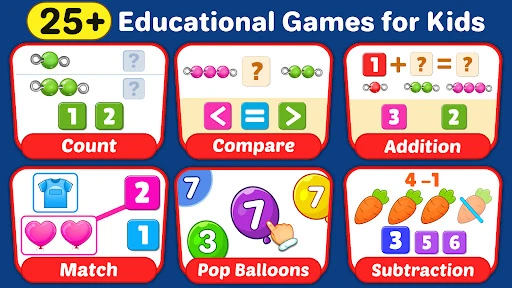
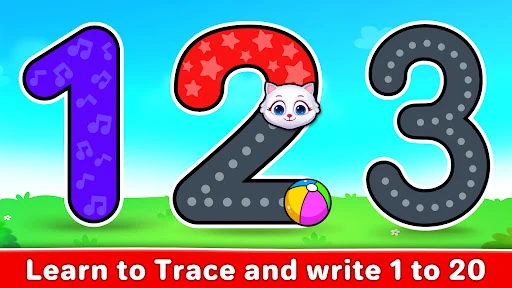
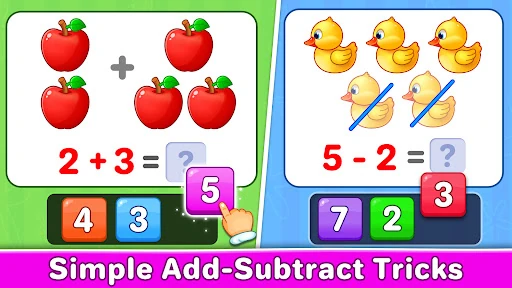
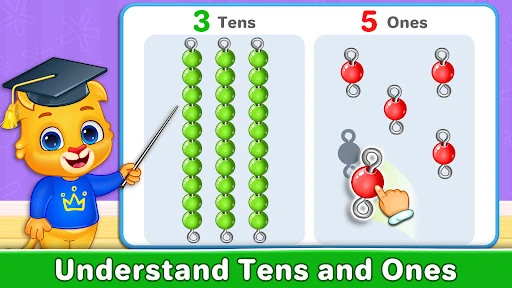
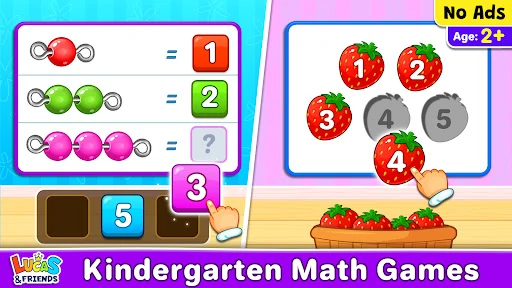
Kids Math: Math Games for Kids stands out as a premier example of ethical and effective educational software within the Google Play Store's Educational landscape. By leveraging Montessori principles—specifically the tactile representation of numbers through colorful beads—the app transcends traditional rote memorization. Its most disruptive feature is its commitment to a 100% free, ad-free, and subscription-free model, which is increasingly rare in the competitive preschool market. This professional-grade tool provides a safe, distraction-free sanctuary for young learners to build foundational numeracy skills through self-directed play.
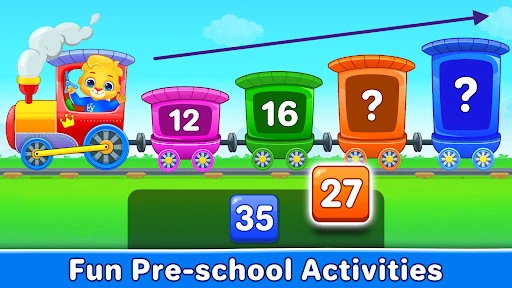
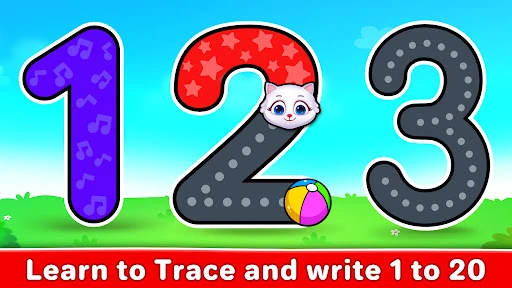
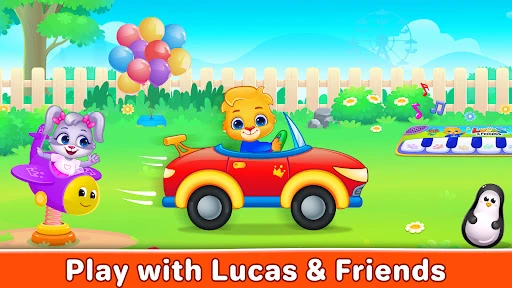
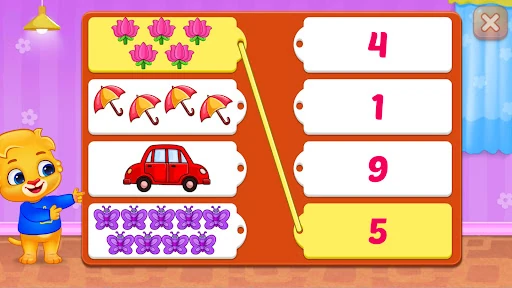
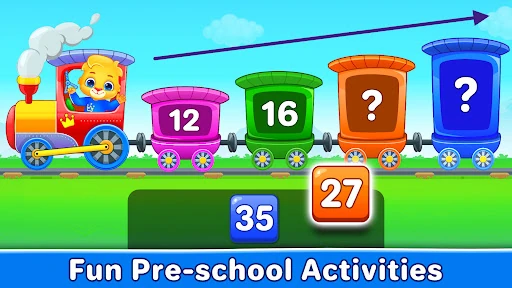
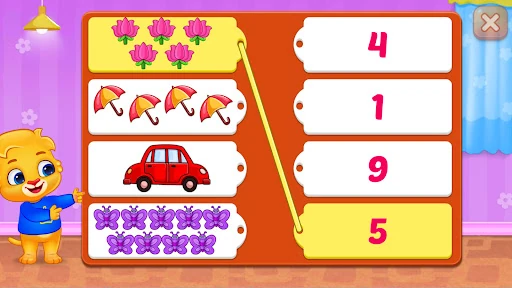
The UI is intentionally minimalist to cater to the cognitive load of a preschooler, adhering to the best practices of the Educational category. The design prioritizes high-contrast visuals and intuitive touch targets, ensuring that children aged 2 and up can navigate the app without constant parental intervention. The absence of pop-ups or external links creates a seamless "flow" state, which is critical for Montessori-style self-directed learning. The auditory feedback and playful sound effects are balanced—rewarding but not over-stimulating—which maintains a calm and focused learning environment.
To further enhance its educational value, the developers should consider implementing a parent-facing dashboard to track progress and identify specific areas where a child might be struggling. Expanding the numerical range to 100 and introducing basic multiplication concepts via the bead system would increase the app's longevity. Finally, adding a localized voice-over for different languages could expand its reach to non-English speaking households looking for quality math tools.
Kids Math: Math Games for Kids is an essential download for parents of preschoolers, kindergarteners, and toddlers who want a high-quality, scientifically-backed introduction to mathematics. It is specifically designed for families who prioritize privacy and ad-free learning. While it targets the younger end of the educational spectrum, its execution of Montessori principles makes it a gold-standard recommendation for early childhood numerical development.