
Click to download now, finish the installation quickly, and directly unlock the all-round experience
Screenshots
Click to download now, finish the installation quickly, and directly unlock the all-round experience
Flux VPN enters the competitive Tools landscape as a specialized security solution designed for the modern "digital nomad" and the connected homeowner. Rather than just offering basic anonymity, it positions itself as a "digital fortress" that bridges the gap between public network safety and smart home ecosystem protection. Our analysis suggests Flux VPN is a streamlined, utility-focused application that prioritizes ease of use and fundamental data integrity for users navigating high-risk environments like public Wi-Fi hotspots and IoT-dense residences.
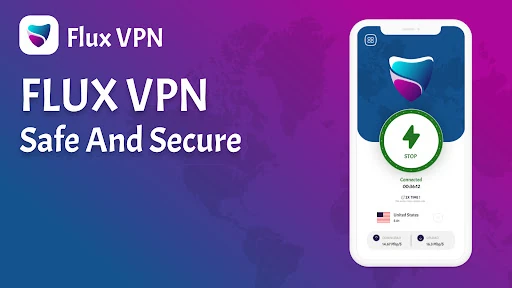
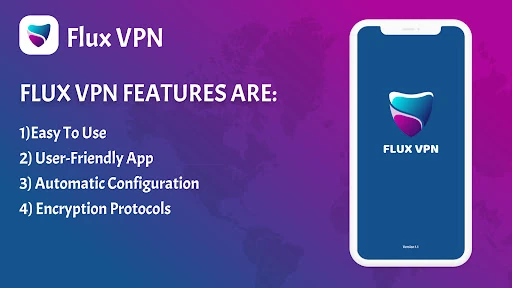
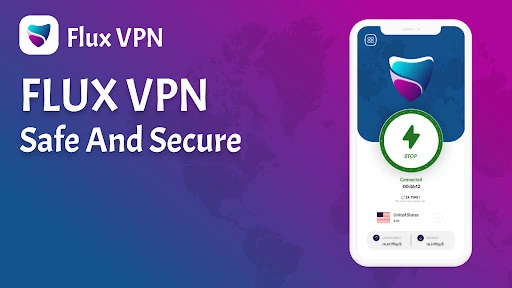
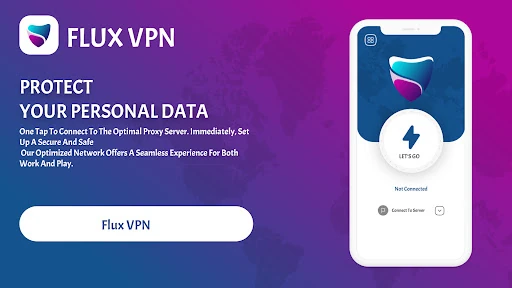
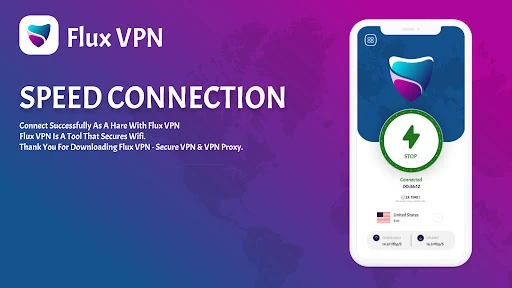
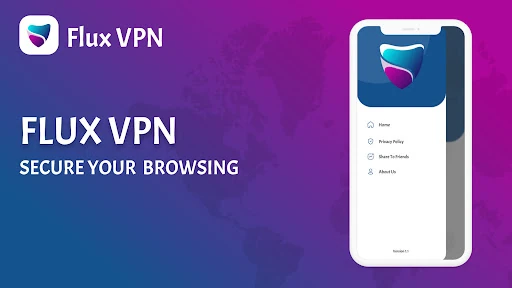
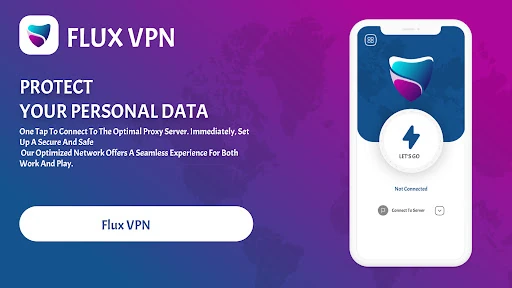
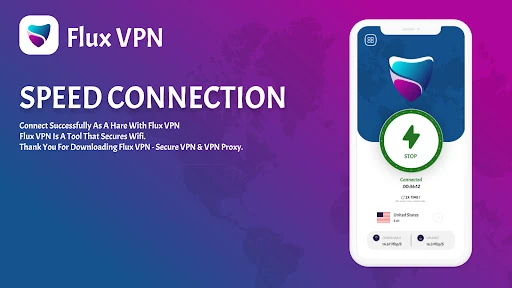
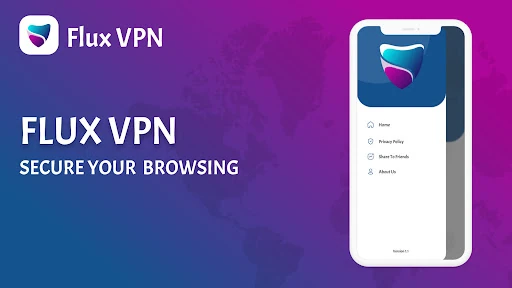
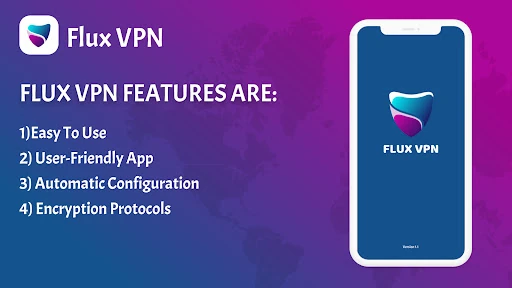
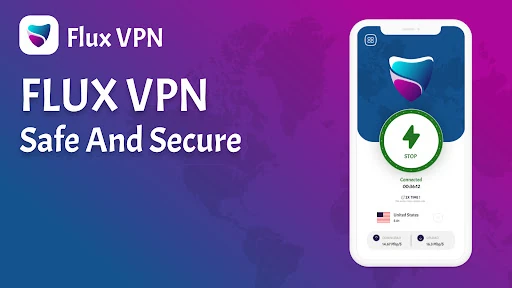
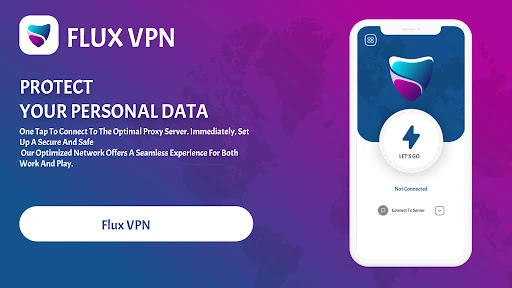
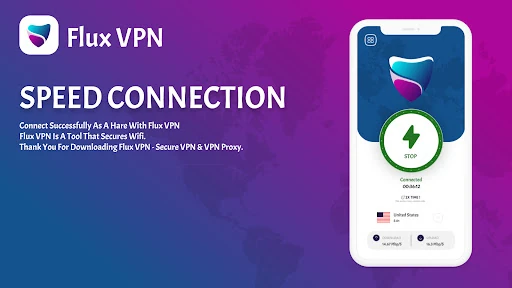
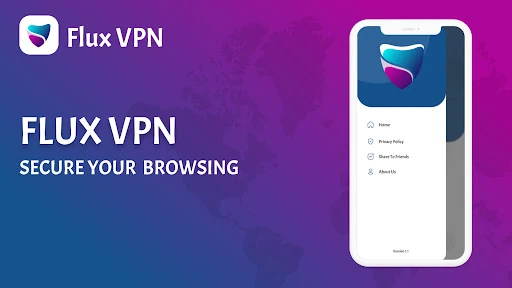
From a UI/UX perspective, Flux VPN adheres to the "one-tap" philosophy prevalent in high-performing utility apps. The interface is intentionally minimalist, designed to cater to users who may not be technically inclined but require immediate protection. The UX flow focuses on reducing the friction between opening the app and establishing a secure connection. Based on standards for the Tools category, Flux VPN successfully balances sophisticated backend security with a front-end simplicity that facilitates "seamless delivery" of its core services.
To elevate its status in the Google Play ecosystem, Flux VPN should consider introducing a dedicated dashboard for monitoring the security status of connected smart home devices. Furthermore, expanding its service availability to restricted regions—where security policies allow—would significantly broaden its user base. Adding a transparent, third-party audited "No-Logs" policy would also enhance user trust, which is a critical psychological factor in the VPN market.
Flux VPN is primarily designed for frequent travelers, digital nomads, and smart home enthusiasts who prioritize data integrity and device privacy. It is an excellent choice for users seeking a "set-and-forget" security solution that handles the complexities of encryption in the background. While the geo-restrictions are a hurdle for some, Flux VPN remains a highly recommended tool for those within its service areas who need a reliable, high-speed digital guardian.